Wisdom Teeth Removal in Murphy, TX
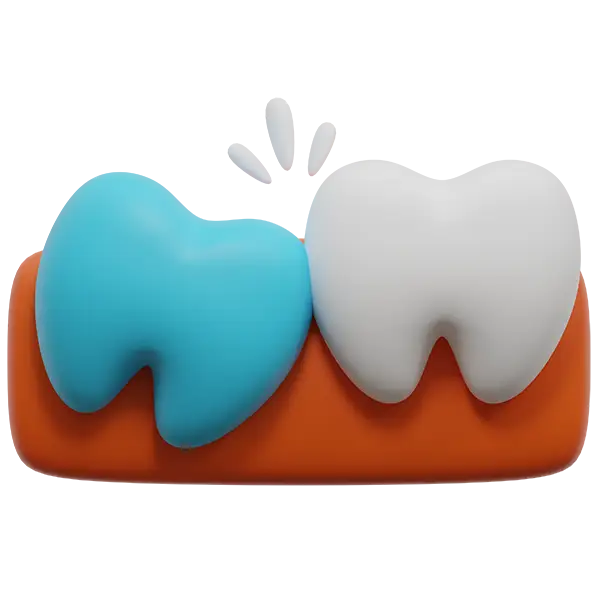 Wisdom teeth removal in Murphy, TX at Parkside Dental takes out third molars that are stuck under the gums, coming in crooked, or causing pain, swelling, or infection. Most wisdom teeth show up between ages 17 and 21. We check them with an exam and X-rays, then tell you plainly whether yours should come out now, later, or not at all.
Wisdom tooth extractions are a routine part of the week at our Murphy office. Teeth that have already broken through the gums can often come out with a simple extraction, while impacted teeth call for a surgical approach. Both fall under our broader tooth extraction care, and this page focuses on what’s different about the back molars.
If you’re a parent, you may be here because your teenager has started rubbing the back of their jaw. Our post on teens getting their wisdom teeth covers the early signs to watch for at home.
On This Page
When Wisdom Teeth Need to Come Out
Wisdom teeth are the last molars to arrive, and many jaws simply don’t have room for them. When a tooth can’t come in fully, it stays trapped in the bone or under the gums. Dentists call that an impacted tooth, and removal is the usual treatment when an impacted tooth causes problems.
Impacted, Partly Erupted, or Fully In?
A fully impacted tooth sits completely below the gumline. A partly erupted tooth pokes through just enough to leave a flap of gum over it, and that flap gives bacteria a place to collect. A wisdom tooth that has come in straight, meets the opposing tooth, and can be cleaned well may never need to come out. Where your tooth sits on the X-ray shapes the whole plan, including whether a simple or surgical extraction fits.
Signs It Is Time for an Exam
Some impacted teeth cause no symptoms at all, which is why we watch them at routine visits. One warning matters more than the rest: if you have trouble breathing or swallowing, swelling that spreads toward your eye or down your neck, or a high fever, call 911 or go to the nearest emergency room right away. A spreading mouth infection can block the airway, and that needs hospital care before a dental visit.
For milder signs like these around your back molars, call us for an exam:
| • |
Sore, red, or puffy gums – especially right behind your last molar
|
| • |
A bad taste or bad breath that won’t go away – often trapped food and bacteria under a gum flap
|
| • |
Jaw stiffness or pain when chewing – pressure from a tooth that can’t finish coming in
|
| • |
Food packing behind your back teeth – a hard-to-brush spot can lead to decay on the neighboring molar
|
| • |
Swelling that comes and goes – repeated flare-ups usually mean the area keeps getting infected |
Our blog on signs you may need your wisdom teeth removed covers a few more.
When Keeping Them Is Fine
Removal isn’t automatic. The American Dental Association says wisdom teeth may need to come out when there is evidence of changes in the mouth, such as infection, cysts, damage to neighboring teeth, or gum disease. If your X-rays look clear and the teeth aren’t bothering you, we’ll usually keep checking them at your regular dental checkups instead.
Timing for Teens and Young Adults
Watching wisdom teeth is part of the teen stage of our preventive dentistry care, right alongside hygiene coaching and cavity prevention. That means most of our younger patients hear about their wisdom teeth well before anything hurts.
Timing matters. According to MedlinePlus from the National Library of Medicine, having wisdom teeth removed before age 20 often turns out better than waiting, because the roots aren’t fully formed yet. That makes the tooth easier to remove and helps the area heal better.
For Murphy families, it often helps to plan around the school calendar. A date at the start of winter break, spring break, or summer gives a student a few quiet days at home before classes and practices pick back up. Our office opens at 7:00 a.m. every weekday, which makes a consultation before school or work easier to fit in.
Adults can have wisdom teeth removed too. Some people reach their late twenties or thirties before a wisdom tooth that never bothered them starts to flare up. We look at the same things for you that we would for a teenager: position, roots, and the health of the teeth next door.
Meet Your Dentists
Parkside Dental was founded by Dr. Jason Larsen and Dr. Jean Larsen, a husband-and-wife team who met at NYU’s dental school. Dr. Jason Larsen studied neuroscience and behavior at Columbia University and earned his Doctorate of Dental Surgery from NYU in 2010. He enjoys problem-solving and complex cases, including extractions and root canals.
Dr. Jean Larsen holds a biology degree from the University of Maryland, Baltimore County. Both doctors belong to the American Dental Association and the Academy of General Dentistry. As general dentists who see kids, teens, and adults, they can evaluate your teen’s wisdom teeth in the same office where the family already gets cleanings.
What Happens at Your Visit
Wisdom teeth removal at our office follows four steps, and the first one is mostly a conversation and some pictures.
Step 1: Exam and X-Rays
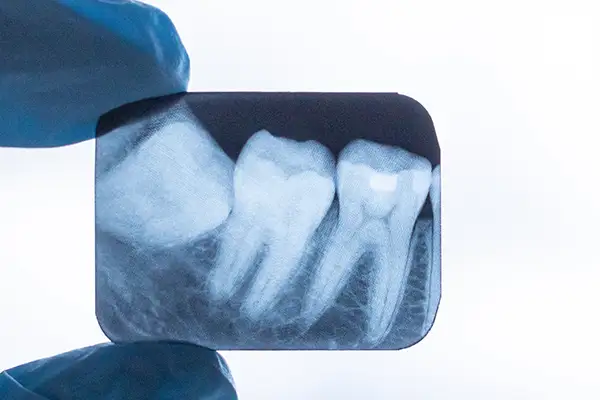 We look at your mouth and take X-rays to see each wisdom tooth, its roots, the surrounding bone, and nearby structures. The images show whether a tooth is tilted, how deep it sits, and how close its roots come to the nerve in the lower jaw. MedlinePlus lists nerve damage as a possible complication when an impacted tooth sits near that nerve, so we study that area closely. Please bring a list of any medications, vitamins, or supplements you take.
Step 2: Your Plan and Comfort Choices
Next, we explain what we found and which teeth should come out. Depending on the X-rays, you might need one, two, or all four removed. We’ll review your treatment and sedation choices so you can decide what feels right.
Every extraction starts with local anesthetic to numb the area. Our office also offers pill-based oral conscious sedation for patients who’d like to feel more relaxed. If you choose it, you may take a pill the night before and another about an hour before your visit, and you’ll need someone to drive you to and from our office.
Step 3: Removal Day
Once you’re numb, we gently loosen the tooth in its socket and lift it out. An impacted tooth needs a surgical extraction, which means opening the gum to reach the tooth before removing it. We clean and disinfect each site and close it with stitches. Before you leave, we go over recovery steps and send you home with written instructions.
Step 4: Follow-Up Visit
We’ll see you again in about a week. That visit lets us check how each site is healing and answer any questions about eating and activity. If anything feels off before then, call us instead of waiting.
Recovery and Aftercare
 Some soreness is normal while you heal, and most people feel close to normal again after a few days. The goal of every aftercare step is protecting the blood clot that forms in each socket, since that clot is the foundation for healing. For pain, the American Dental Association recommends over-the-counter NSAIDs such as ibuprofen or naproxen, alone or with acetaminophen, as the first choice after a tooth is removed. Check with your physician first if you have a condition that limits those medicines.
Dry socket is the setback we work hardest to help you avoid. MedlinePlus explains that it happens when the clot is lost or doesn’t form well, and the pain typically starts one to three days after the extraction. These habits help keep the clot in place:
- Skip straws – the suction can pull the clot loose
- Hold off on smoking and tobacco – tobacco slows healing and raises the risk of dry socket
- Go easy on rinsing and spitting – forceful spitting can dislodge the clot, so rinse only as we direct
- Stick with soft foods at first – yogurt, broth, and smoothies eaten with a spoon are easy on healing sites
Our gentle extractions page walks through the general eating timeline after any extraction. If your pain gets worse after the third day, doesn’t respond to pain relievers, or comes with a bad taste, call us so we can check for dry socket or infection.
Why Choose Parkside Dental
Wisdom teeth removal is often a teen’s first real dental procedure, so the setting matters. Our office offers complimentary beverages, entertainment options, cozy blankets, noise-canceling headphones, and lip balm, which goes a long way for a nervous 17-year-old (and their parent in the waiting room).
The people help too. Kendall, one of our hygienists, enjoys easing dental anxiety, and Kelli, our Treatment Care Coordinator, has been with our doctors for more than seven years. Brittany, our Insurance Coordinator, handles benefits questions before treatment.
Keeping wisdom tooth care in your family dentistry office also means your X-rays and history stay in one place. If a wisdom tooth has already damaged the molar in front of it, the same team can plan the repair afterward.
Cost, Insurance, and Financing
 Your estimate comes down to a few things: how many teeth, how deeply each one sits, the X-rays involved, and whether you add oral sedation. A fully impacted tooth involves more surgical work than one that has already come through the gums. We’ll give you a personal estimate after your exam.
We’re in-network with many insurance companies, including Aetna, BlueCross BlueShield, Cigna, MetLife, Delta, Guardian, Humana, and Ameritas. Coverage for extractions varies from plan to plan, so we’ll help you understand your benefits before scheduling. For patients who’d like to spread out payments, we work with Cherry, Alphaeon Credit, and CareCredit.
No insurance? Ask about our in-house Dental Loyalty Plan, which includes preventive care plus a discount on other treatment. You can review every option on our financial information page.
Schedule Your Consultation
If your wisdom teeth are sore, or you just want to know where they stand, we can take a look. Call (972) 442-7550 to set up a consultation, or visit our contact page to book online. Parkside Dental is at 703 E. FM 544 Suite 100, Murphy, TX 75094, and we’re open Monday through Friday starting at 7:00 a.m.
Frequently Asked Questions
What age should wisdom teeth be removed?
There’s no single age, but the late teens are often a good window if a tooth clearly won’t fit. MedlinePlus notes that removal before age 20 often has better results because the roots haven’t finished forming. We watch wisdom teeth during the teen years and recommend removal only when the X-rays or symptoms point that way.
Should all my wisdom teeth come out in one visit?
Not necessarily. We remove only the teeth that need to come out. Whether to treat several teeth in one visit or spread them out is something we decide together, based on your X-rays, your comfort, and your schedule.
How awake will I be during the extraction?
You’ll be awake, with your mouth fully numbed by local anesthetic. Our office also offers oral conscious sedation, a pill that helps you feel calm and drowsy while you stay responsive. You’ll need a driver if you choose sedation. If you tend to gag during dental work, our tips on decreasing your gag reflex may help too.
How long until I can go back to school or work?
Most people can return to normal activities within 48 to 72 hours, though the bone underneath keeps healing for several weeks. How quickly you bounce back depends on how complex your extraction was. Plan a quiet day at home after the procedure, and avoid heavy exertion for a few days.
My wisdom tooth gum flap keeps getting swollen. What should I do?
Call us for an exam, because swelling that keeps coming back usually means bacteria are trapped under the gum over a partly erupted tooth. Rinsing and careful brushing can calm a mild flare-up, but they don’t fix the cause. If swelling spreads toward your eye or neck, or you have trouble breathing or swallowing, go to the ER first. Our emergency dentistry page explains how we handle urgent dental problems.
Can wisdom teeth push my other teeth out of line?
The concern we watch most is the molar right in front of the wisdom tooth. A wisdom tooth tipped against its neighbor can damage it or trap plaque that leads to gum problems there. If you’ve finished orthodontic treatment or clear aligners and worry about your results, mention it at your exam so we can look at your wisdom teeth with that in mind.
Do I need to replace a wisdom tooth after it is removed?
Usually not. Replacing a removed wisdom tooth isn’t a typical part of treatment, and we’ll check your bite at your follow-up visit. That’s different from losing a front tooth or a first or second molar, where an implant, bridge, or denture is usually worth discussing. If you’re missing another tooth, our dental implants page covers your options.
What can I eat after wisdom teeth removal?
For the first 24 hours, stick with very soft foods and liquids such as yogurt, milk, broth, and smoothies eaten with a spoon. After 24 to 48 hours, most people add scrambled eggs, mashed potatoes, and other soft foods. Don’t skip meals, since good nutrition and hydration support healing.
|