Cracked Tooth Syndrome - What Is It?
Posted on 10/15/2026 by Parkside Dental |
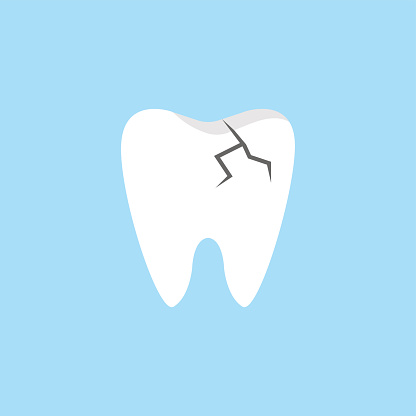 Have you ever felt a sharp, fleeting pain when chewing, especially when releasing a bite? It might not be a cavity; it could be something called cracked tooth syndrome. It's a common problem, and understanding it can help you protect your smile. Have you ever felt a sharp, fleeting pain when chewing, especially when releasing a bite? It might not be a cavity; it could be something called cracked tooth syndrome. It's a common problem, and understanding it can help you protect your smile.
What Exactly Is Cracked Tooth Syndrome?
Cracked tooth syndrome (CTS) refers to a crack in a tooth that's too small to be seen easily on an X-ray or during a visual exam. Think of it like a tiny fracture, like a hairline crack in a glass. These cracks can develop in any tooth, but they're most common in molars, which bear the brunt of chewing forces. The pain associated with CTS is often inconsistent, making it tricky to diagnose. It might hurt when you bite down on something hard, but be perfectly fine at other times. This inconsistency is a key characteristic of the condition.
What Causes These Cracks?
Several factors can contribute to cracked tooth syndrome:
| • |
Grinding or Clenching: Bruxism, the habit of grinding or clenching your teeth, puts excessive pressure on your teeth, increasing the risk of cracks. |
| • |
Large Fillings: Teeth with large fillings are often weaker than teeth with less restoration. The remaining tooth structure is more susceptible to cracking. |
| • |
Uneven Bite: If your bite isn't properly aligned, certain teeth may absorb more force than others, making them more prone to cracking. |
| • |
Trauma: An injury to the mouth, such as a blow to the face or biting down on something unexpectedly hard, can cause a tooth to crack. |
| • |
Temperature Changes: Rapid and extreme temperature changes in the mouth, like drinking ice water right after hot coffee, can cause the tooth to expand and contract, potentially leading to cracks. |
| • |
Age: As we age, our teeth naturally develop tiny cracks over time due to normal wear and tear. |
Symptoms to Watch Out For
The most common symptom of cracked tooth syndrome is sharp pain when chewing, particularly when releasing the bite. Other signs include:
| • |
Sensitivity to hot, cold, or sweet foods. |
| • |
Pain that comes and goes, making it difficult to pinpoint the exact tooth causing the problem. |
| • |
Pain that worsens over time. |
| • |
Discomfort when biting down on specific areas of the tooth. |
Why Early Detection Is Important
If left untreated, a cracked tooth can worsen. The crack can deepen and widen, potentially leading to:
| • |
Infection: Bacteria can enter the crack, causing an infection in the tooth pulp. |
| • |
Damage to the pulp: The crack can extend to the pulp, the inner part of the tooth containing nerves and blood vessels, leading to inflammation and pain. |
| • |
Tooth loss: In severe cases, the tooth may need to be extracted. |
The Role of Prevention Dentistry
Prevention dentistry is key in mitigating the risk of cracked tooth syndrome. Good oral care is vital for maintaining strong and healthy teeth. This includes:
| • |
Brushing twice a day with fluoride toothpaste. |
| • |
Flossing daily to remove plaque and food particles. |
| • |
Visiting your dentist for regular check-ups and cleanings. |
| • |
Wearing a mouthguard at night if you grind or clench your teeth. |
| • |
Avoiding chewing on hard objects, such as ice or hard candy. |
| • |
Being mindful of extreme temperature changes in your mouth. |
By understanding what cracked tooth syndrome is and taking steps to protect your teeth, you can maintain a healthy and pain-free smile for years to come. If you suspect you might have a cracked tooth, it's important to see your dentist promptly for an evaluation.
|
|