Which is More Effective, Flossing or Water Flossers?
Posted on 6/1/2026 by Parkside Dental |
 Taking care of your mouth can sometimes feel like a chore. We brush, we rinse, but what about those tight spaces between our teeth? That's where flossing and water flossing come in. But which one reigns supreme in the battle for a cleaner, healthier smile? Let's break down the differences and effectiveness of each method. Taking care of your mouth can sometimes feel like a chore. We brush, we rinse, but what about those tight spaces between our teeth? That's where flossing and water flossing come in. But which one reigns supreme in the battle for a cleaner, healthier smile? Let's break down the differences and effectiveness of each method.
The Tried-and-True Method: Flossing
Traditional string flossing has been a staple in oral care for generations. It involves using a thin piece of waxed or unwaxed string to physically remove plaque and food particles from between your teeth and along the gumline.
The benefits of flossing are numerous. It’s readily available, inexpensive, and portable. When done correctly, flossing can reach areas that your toothbrush simply can't, disrupting the bacterial colonies that lead to cavities and gum disease. It's also effective at removing stubborn debris stuck between teeth. The action of scraping the floss against the tooth surface is key to its effectiveness.
However, flossing also has its challenges. It can be tricky to master the proper technique, especially when reaching back teeth. Some people find it uncomfortable or even painful, which can lead to inconsistent flossing habits.
The Modern Alternative: Water Flossers
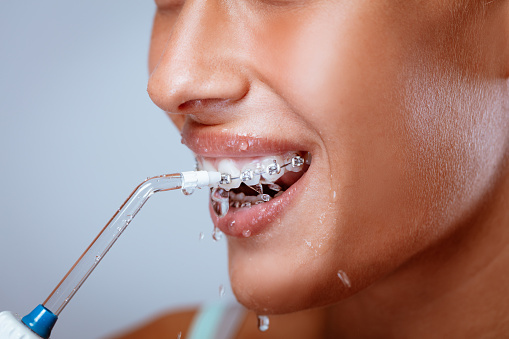
Water flossers, also known as oral irrigators, use a stream of pressurized water to flush out plaque and food debris from between teeth and along the gumline. They consist of a reservoir filled with water and a nozzle that directs the water stream.
Water flossers offer several advantages. They're often easier to use than traditional floss, particularly for people with dexterity issues or braces. The water stream can gently massage the gums, promoting blood circulation and potentially reducing inflammation. They can also be more comfortable for people with sensitive gums.
While water flossers are effective at removing loose debris and bacteria, some studies suggest they might not be as effective as traditional flossing at removing sticky plaque. The water stream can dislodge particles, but it doesn't always provide the same abrasive action as string floss.
The Verdict: Which One is Better?
The ideal answer is that both flossing and water flossing can be valuable tools in your oral care routine. The "better" option really depends on your individual needs and preferences.
If you're diligent and proficient with traditional flossing, it remains a highly effective method for removing plaque and preventing gum disease. However, if you struggle with traditional flossing or find it uncomfortable, a water flosser can be a great alternative or addition to your routine.
Incorporating Both into Your Routine
Many dental professionals recommend using both methods for optimal oral hygiene. You might choose to use traditional floss to target specific areas with stubborn plaque and a water flosser for overall gum health and debris removal.
It's also important to consider individual circumstances. For example, individuals with dental implants or those undergoing restoration dentistry may find a water flosser particularly beneficial for cleaning around these areas.
The Importance of Consistency
Regardless of which method you choose, the most important factor is consistency. Aim to clean between your teeth at least once a day, whether it's with traditional floss, a water flosser, or a combination of both. Regular cleaning helps prevent plaque buildup, reduces the risk of cavities and gum disease, and contributes to a healthier, brighter smile. Talk to your dentist or dental hygienist about which interdental cleaning method is best for you.
|
|