Top Three Causes of Dental Cracks
Posted on 4/1/2026 by Parkside Dental |
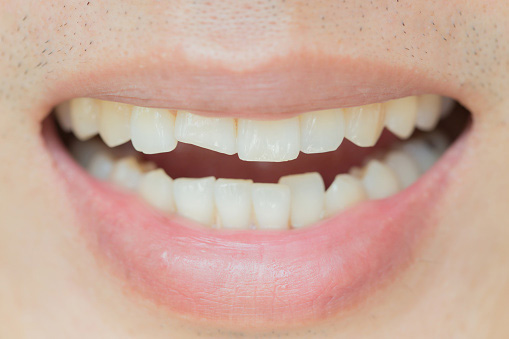 Have you ever felt a sharp pain when biting down, or noticed a strange sensitivity to temperature in a particular tooth? It could be a dental crack. These tiny fractures can be tricky to spot, but understanding their causes is a crucial step in protecting your smile. Let's explore the top three reasons why these cracks can develop. Have you ever felt a sharp pain when biting down, or noticed a strange sensitivity to temperature in a particular tooth? It could be a dental crack. These tiny fractures can be tricky to spot, but understanding their causes is a crucial step in protecting your smile. Let's explore the top three reasons why these cracks can develop.
Uneven Bite Forces
One of the most common culprits behind dental cracks is uneven bite forces. Think of your teeth as carefully aligned puzzle pieces. When your bite is properly aligned, the pressure from chewing is distributed evenly across all your teeth. However, if your bite is off – maybe you have a tooth that sticks out, or you grind your teeth at night (bruxism) – certain teeth end up bearing the brunt of the chewing force.
This excessive, focused pressure can create tiny fractures in the enamel, the hard outer layer of your tooth. Over time, these micro-cracks can deepen and lengthen, eventually leading to pain and sensitivity. Bruxism, in particular, is a significant contributor. The constant clenching and grinding place immense stress on your teeth, making them vulnerable to cracking. Addressing bruxism through night guards and stress management techniques is an important part of oral care.
Large Fillings
While fillings are essential for restoring teeth damaged by cavities, large fillings can sometimes weaken the tooth structure. When a significant portion of a tooth is replaced with filling material, the remaining natural tooth structure becomes more susceptible to fracture.
Imagine a brick wall with a large hole filled with a different material. The wall is naturally stronger than the filler. If enough of the brick is removed, it can become more prone to cracking around the filler. The same principle applies to teeth. The larger the filling, the less support the remaining tooth structure has, increasing the risk of dental cracks, especially when combined with uneven bite forces. Modern restoration dentistry focuses on using materials and techniques that preserve as much natural tooth structure as possible, minimizing this risk.
Temperature Fluctuations
Our teeth are incredibly strong, but they are not immune to the effects of temperature changes. Repeated and drastic temperature fluctuations, such as quickly alternating between hot and cold foods or drinks, can cause the enamel to expand and contract.
Think of it like this: imagine a glass being rapidly heated and then cooled. The sudden changes in temperature can cause the glass to crack. Similarly, repeated expansion and contraction of tooth enamel can lead to the formation of small cracks over time. While a single instance of eating something very hot followed by something very cold is unlikely to cause a major problem, consistently subjecting your teeth to these temperature extremes can weaken the enamel and increase your susceptibility to dental cracks.
Understanding these common causes of dental cracks can empower you to take better care of your teeth. By maintaining proper oral care, addressing bruxism, and being mindful of temperature fluctuations, you can significantly reduce your risk of developing these painful and potentially problematic fractures. Remember to consult with your dentist regularly for check-ups and professional advice.
|
|