Have you ever wondered if having "buck teeth" is just a cosmetic issue, or if it can actually affect your dental health? Let's explore this topic and understand the potential impact of protruding front teeth on your overall well-being.
What are Buck Teeth?
"Buck teeth" is a common term for what dentists call an overjet. This happens when your upper front teeth stick out significantly further than your lower front teeth. While a slight overjet is normal, a large one can cause several issues. It's important to note that the severity of the overjet varies from person to person.
Potential Problems Caused by Protruding Teeth
Having buck teeth can lead to several challenges. One of the most common is an increased risk of injury to the front teeth. Because they stick out, they are more vulnerable to being chipped or broken if you fall or experience a blow to the face. This is especially true for children who are active in sports.
Another concern is difficulty with proper oral care. When teeth are misaligned, it can be harder to brush and floss effectively. This can lead to a buildup of plaque and tartar, increasing the risk of cavities and gum disease. The areas around crowded or protruding teeth are often difficult to reach, creating havens for bacteria.
Furthermore, a significant overjet can sometimes interfere with proper chewing and speech. In some cases, it may cause discomfort in the jaw joint, known as the temporomandibular joint (TMJ). This discomfort can manifest as jaw pain, headaches, or clicking and popping sounds in the jaw.
The Role of Oral Care
Good oral care is essential, especially if you have buck teeth. Regular brushing and flossing are crucial to remove plaque and prevent cavities and gum disease. Using a soft-bristled toothbrush and fluoride toothpaste is recommended. You might also consider using interdental brushes or floss threaders to clean hard-to-reach areas.
Equally important are regular checkups with your dentist. Your dentist can assess the alignment of your teeth, identify any potential problems, and recommend appropriate treatment options. Professional cleanings remove plaque and tartar buildup that you can't remove at home, helping to keep your gums healthy.
Options for Correction
The good news is that there are several options available to correct buck teeth. Orthodontic treatment, such as braces or clear aligners, can gradually move the teeth into a more desirable position. These treatments not only improve the appearance of your smile but also help to improve your overall dental health.
In some cases, other options might be recommended. Your dentist will conduct a thorough examination to determine the best approach for your specific needs.
Restoration Dentistry
Sometimes, damage caused by buck teeth, such as chipped or broken teeth, may require restoration dentistry. This involves repairing or replacing damaged teeth to restore their function and appearance.
Taking Care of Your Smile
Ultimately, whether buck teeth are a serious problem depends on the severity of the overjet and its impact on your oral health and overall well-being. By understanding the potential risks and taking proactive steps to maintain good oral care, you can protect your smile and ensure a healthy mouth for years to come. Consult with your dentist to discuss your specific concerns and explore the best course of action for your individual needs.
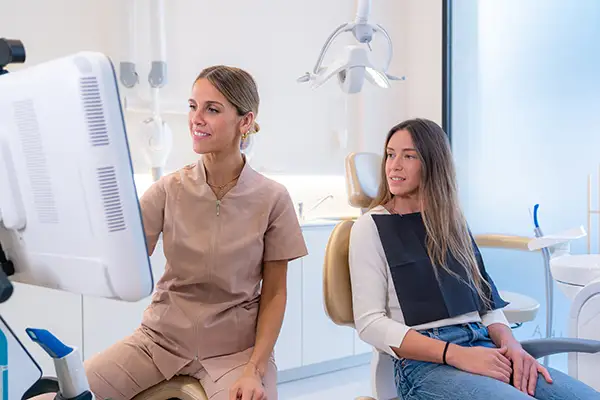
Modern, comfortable dental care in a warm, friendly environment.

 Have you ever wondered if having "buck teeth" is just a cosmetic issue, or if it can actually affect your dental health? Let's explore this topic and understand the potential impact of protruding front teeth on your overall well-being.